
Uncategorized
How to Plant & Grow Lemon Seeds into Delicious Citrus Trees
How to Plant & Grow Lemon Seeds into Delicious Citrus Trees
Explore the site and let’s get growing! Dreaming of fresh, zesty lemons plucked straight from your own backyard? Plant between 5 and 6 seeds, as this will give you the best chance of germination.
Fermented Foods – One Step Better Than Raw
Make sure the pot is large enough to allow the roots to spread out as the seedling grows. Just keep an eye on your seedlings and make sure they get the right amount of light, water, and warmth, and you’ll soon see the fruits of your labor. Fill your small pots with well-draining potting soil, leaving some space at the top for watering. Another option is to soak the seeds in warm water for about 24 hours to soften the coating and encourage quicker sprouting. Begin by cutting a ripe lemon in half and scooping out the seeds.
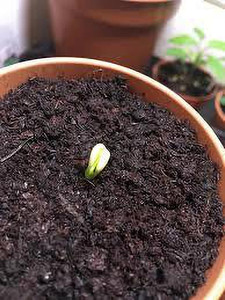
Choosing the Right Soil and Container
Once they germinate, just make sure they get enough water and nutrients. Shop citrus inspired finds on our shop page, like this Mediterranean Lemon phone case from Minca Cases (get 10% off with code SPOT10) There’s a chance you could end up with a thorny tree that produces something quite different. And it can take up to 15 years to produce any fruit.
Now that your lemon tree seedling is settled into its new pot, it’s time to focus on giving it the best care possible. By transplanting your seedling into a larger pot, you’re giving it the space it needs to grow into a healthy, thriving lemon tree. With these simple steps, you’re on your way to growing a lemon tree from seed! Before you start growing a lemon tree from seed, there are a few key materials you’ll need. Indoors, lemon trees usually max out around six feet tall, but their height can vary based on the growing conditions.
Varieties of Lemon Trees
Seed-grown lemon trees can take several years (3-6) to produce fruit. Beyond the satisfaction of Grow a Lemon Tree from Seeds nurturing a plant from its earliest stage, growing your own lemon tree grants you access to fresh, organic lemons whenever you need them. While growing a lemon tree from seed is generally straightforward, you may encounter a few common issues along the way.
Satsuma tangerines are one of the few citrus plants that bears fruit similar to the parent when grown from seed. Growing a lemon tree from seeds is a rewarding experience that requires minimal resources but offers lasting benefits. For increased chances of fruit production, consider grafting your seed-grown tree with a branch from a mature lemon tree. Growing a lemon tree from seeds requires patience. Whether you want to grow lemons indoors or outdoors, starting from seeds is simple, fun, and cost-effective.
- If possible, choose an organic lemon, or one that hasn’t been treated with pesticides.
- Spray the soil again with water – place the pot in a clear plastic bag with a few holes punched in the top.
- Keep in mind that reduced light and warmth in winter (indoors) will slow or stall growth.
- It typically takes 3-5 years, and sometimes even longer, for a lemon tree grown from seed to bear fruit.
- However, remember that seed-grown trees may take longer to produce fruit, and the fruit quality can vary.
You can transplant the plants after about a year or when several roots peek through the drainage holes of the pot. Keep the soil permanently moist until the plant(s) have about 4-5 leaves, then water about once a week. This will trap some much-needed moisture and warmth while also allowing the seeds and soil to breathe. During this time, gradually move the plants to a sunny window in your home. Allowing the soil to be a bit loose gives proper access to nutrients, moisture, and air and helps the plants develop healthy root systems.
By staying vigilant and taking prompt action, you can minimize the risk of disease and keep your lemon tree thriving. To control pest populations naturally, spray neem oil or insecticidal soap on your lemon tree’s leaves and stems to repel pests. When choosing the right time to transplant, consider the size and strength of your seedling’s root system.
Make sure your tree is in a warm, sunny spot and keep it away from cold drafts. Yellow leaves can also indicate a lack of nitrogen, so try fertilizing your tree with a citrus-specific fertilizer to boost its nutrient intake. Lemon trees prefer warm temperatures, ideally between 70°F and 85°F (21°C to 29°C). Remove any dead or damaged branches, and trim back any growth that seems too leggy.
Lemon seeds require a temperature range between 65°F (18°C) and 75°F (24°C) to germinate successfully. To provide optimal conditions for germination, it’s essential to create an environment that mimics the natural seed’s habitat. Regardless of the method chosen, ensure good air circulation around the seeds to prevent fungal diseases. Provide hours of indirect light per day, adjusting as necessary for optimal growth. One of the most common methods is direct sowing in pots or seed trays. Simply place the seeds in a plastic bag with some moist peat moss and store it in a refrigerator.
